When Your Doctor Says Everything Is Fine… But You Don’t Feel Fine
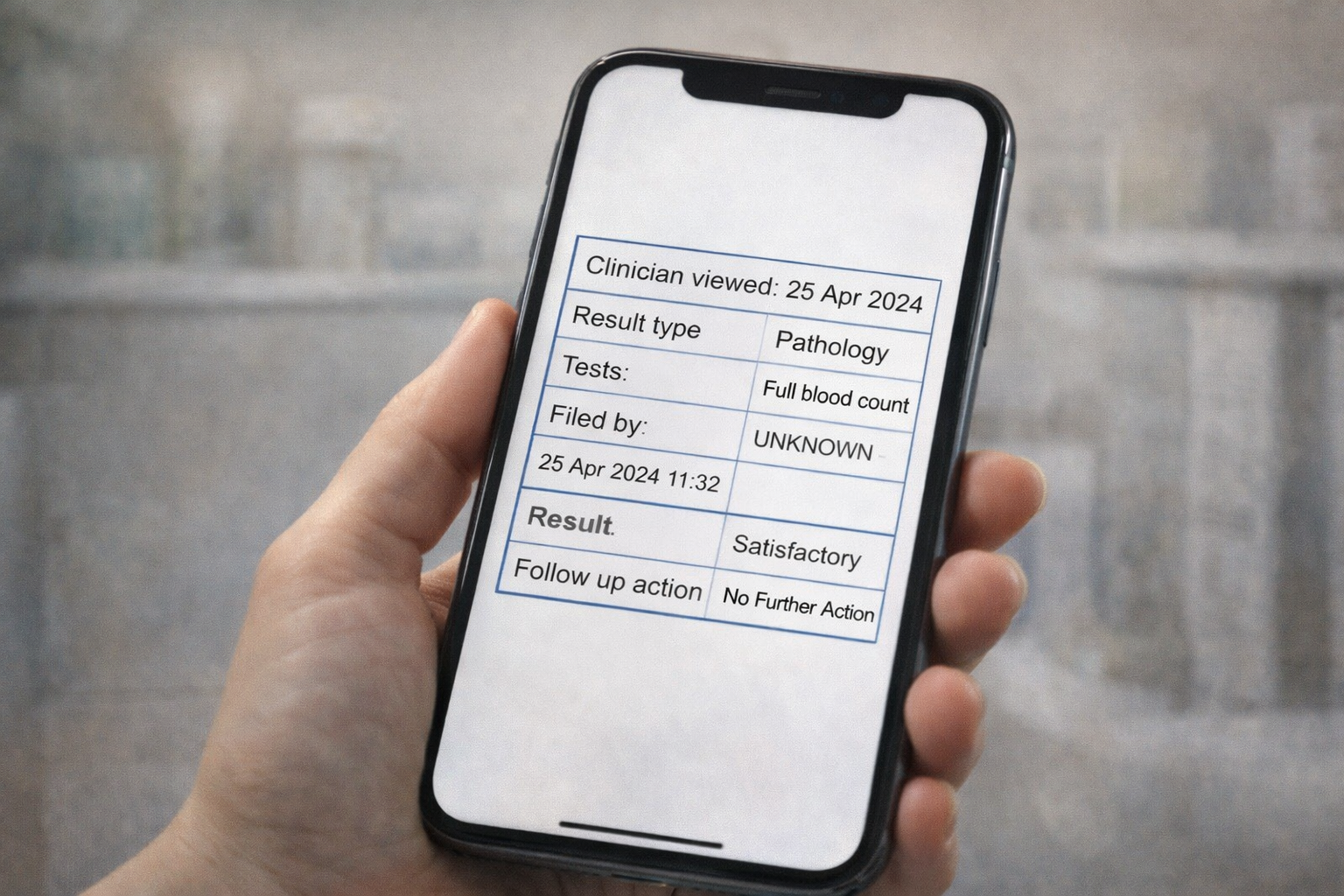
You sit in the appointment with your doctor. Your results are back.
“Your tests have all come back normal.”
There’s relief in that.
But also confusion.
Because you’re still bloated.
Still exhausted.
Still reacting to foods.
Still managing flare-ups.
You don’t feel fine.
And that disconnect can be incredibly frustrating.
The gap no one talks about
This isn’t about criticising doctors or the NHS. Their role is to rule out serious disease.
And that is absolutely essential.
If something dangerous is present, it needs to be identified and treated quickly.
But once that box is ticked, the investigation often stops.
The system is designed to diagnose pathology and manage symptoms.
It isn’t designed to ask “Why is this person still not functioning well?” or to explore functional imbalances in depth — the subtle patterns that can drive digestive and autoimmune symptoms long before (or without) structural disease.
So you may leave with reassurance.
Or you might leave with a label.
IBS, inflammation, stress — but what does that actually mean?
Many people are told they have:
“IBS.”
“Inflammation.”
“IBD.”
“Stress.”
These are descriptions of what’s happening.
They are not root-cause explanations.
They don’t tell you:
Why your digestion changed
Why certain foods suddenly trigger symptoms
Why your immune system feels reactive
Why fatigue won’t lift
Why flare-ups keep returning
Without a clear “why”, it’s difficult to create a clear plan.
The two paths people often end up on
When there isn’t a deeper explanation, most people move down one of two routes.
1. Experimentation
Removing more foods.
Adding supplements.
Trying different protocols.
Reading late into the night.
Hoping something clicks.
Sometimes it helps.
Often it leads to more restriction, more confusion, and more second-guessing.
2. Long-term symptom control
Medication to suppress inflammation.
Medication to calm the gut.
Medication to manage pain.
For many people, medication is appropriate and necessary.
But sometimes it’s offered without a deeper exploration of what may be driving the symptoms underneath.
Sometimes there’s an understanding that doses may increase.
Sometimes there’s a warning that effectiveness can reduce over time.
Sometimes surgery is discussed as a future possibility.
Personally, I was once told all three when I was labelled with Crohn's Disease. You can read more about how I was able to put myself into remission here.
That trajectory isn’t inevitable — but without clarity, it can feel like the only option.
What standard testing is — and isn’t — designed to do
Standard NHS testing is excellent at identifying:
Structural disease
Acute infection
Significant inflammatory markers
Serious pathology
What it is not designed to assess in detail are functional patterns such as:
Subtle gut bacterial imbalances
Low-grade inflammation
Reduced digestive enzyme output
Gut lining integrity
Post-infectious microbiome shifts
These can exist long before a condition becomes severe enough to show clearly on conventional testing.
That doesn’t mean your symptoms are imagined.
It means we may need a different lens.
How functional testing can provide clarity
In clinic, I sometimes use functional stool testing such as the GI-MAP (Gastrointestinal Microbial Assay Plus) when appropriate.
You can read a full breakdown of what this test measures here:
👉 https://www.lucyagg.com/blog/what-can-a-gi-map-test-tell-you-about-your-gut-health
In summary, the GI-MAP can provide insight into:
The balance of beneficial and opportunistic bacteria
Bacterial overgrowth patterns
Inflammatory markers such as calprotectin
Secretory IgA (gut immune function)
Digestive markers like elastase
Pathogens often missed in routine screening
Alongside this, markers such as Zonulin can offer information about gut lining integrity — sometimes referred to as intestinal permeability.
Increased intestinal permeability has been associated with inflammatory and autoimmune patterns, and understanding this can significantly influence how we structure nutrition and lifestyle support.
This isn’t about replacing medical care.
It’s about complementing it.
It’s about asking better questions once acute disease has been ruled out.
When clarity changes the trajectory
The most powerful shift I see in clinic isn’t just symptom improvement.
It’s clarity.
When we understand what’s driving symptoms, decisions become simpler.
Food changes are targeted.
Supplement support is strategic.
Lifestyle interventions are purposeful.
Conversations with doctors become more constructive.
Clients are often able to take this information back to their GP or specialist and have more informed discussions.
In some cases, functional testing has highlighted issues that warranted further medical investigation.
In others, it has helped identify dietary or timing patterns that were interfering with medication effectiveness.
Clarity doesn’t create conflict with conventional medicine. It creates collaboration.
The good news
When we understand what’s driving symptoms, that information leads to effective, targeted solutions.
Not guesswork.
Not blanket elimination diets.
Not managing symptoms indefinitely.
But structured nutrition and lifestyle strategies built around your specific patterns.
Clarity doesn’t just explain your symptoms. It opens the door to solving them.
If you’ve been told everything is fine…
…but you don’t feel fine, there may be more to explore.
I offer a free 45-minute discovery call where we can talk through your symptoms, what you’ve already tried, and whether foundational work or functional testing would be appropriate for you.
There’s no pressure.
Just a calm conversation about your options.